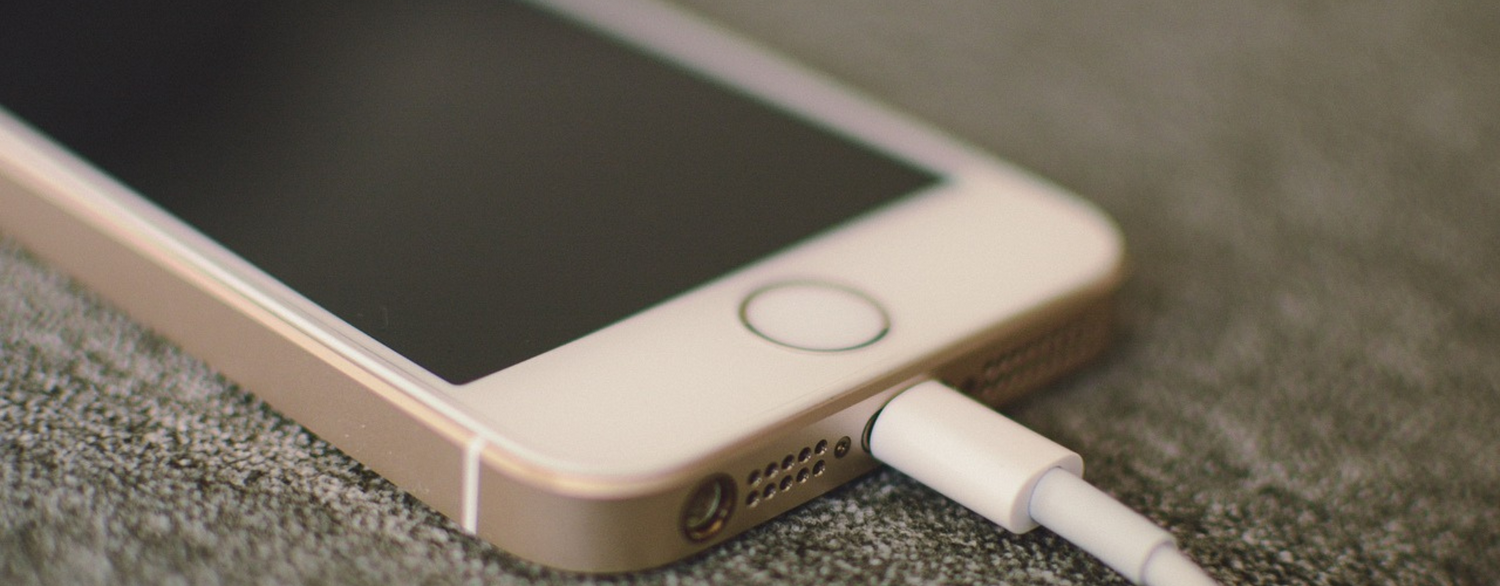
Nowadays, often the mobile phone is the first and last object we see. This seemingly harmless gesture can affect the body, sleep rhythm, and even our self-image. By freeing up a few minutes — or hours — of screen time, we create space to reconnect with our breathing, the firmness of our feet on the ground, or even the lightness of feeling the body in motion.
We live connected and, whether for work, study, communication, or even relaxation, we rely on screens. Technology is an extraordinary tool: it brings people closer, allows learning, inspiration, and sharing. But when we let it dominate us, balance is lost. Excessive — and often inattentive — exposure can drain energy, harm sleep, generate unrealistic comparisons, and influence choices that do not serve our body or goals.
One of the risks is following training or nutrition trends shared by those without training or understanding of what is safe, effective, or adapted to each person’s reality. The result? Poorly executed exercises, inadequate meal plans, and sometimes more frustration than progress. That's why it's important not only to filter what we consume digitally but also to evaluate whom we follow and how that information impacts us.
Nutrition is not limited to what we put on the plate: it is also built in daily choices about the information, environments, and people we consume. What we see, hear, and read feeds (or drains) our mind, influences motivation, and shapes behavior.
The impact of screen time on health
Science confirms: excessive device use constantly stimulates the sympathetic nervous system, activating the "fight or flight" mode, which raises cortisol, fragments sleep, and promotes fatigue. In this tense state, it’s common to experience more cravings for high-calorie foods and less motivation to train.
Additionally, prolonged exposure to blue light emitted by screens at night delays the release of melatonin, the hormone that induces sleep. This not only makes falling asleep more difficult but also compromises the depth and quality of rest. Lack of restorative sleep harms muscle recovery, alters mood, and directly influences appetite-regulating hormones like ghrelin and leptin, increasing hunger and reducing satiety — favoring less healthy food choices.
There is also the impact during meals — eating while watching TV or using the phone — which reduces attention to what is on the plate. Without realizing it, we chew less, eat faster, and consume more calories than needed.
With less rest and more stress, the body tends to conserve energy and avoid physical effort. Over time, a difficult cycle sets in: less movement generates less energy, and less energy makes movement increasingly difficult.
What happens when we disconnect
Reducing, even if not eliminating, screen time can bring benefits felt within a few days:
• Deeper, more restorative sleep.
• More energy and willingness to train.
• Greater awareness in food choices.
• Higher quality and presence in human relationships.
• Reduction of stress and anxiety.
Recent studies show that even small reductions — like one less hour of screen per day — can positively impact mood, focus, and rest, especially when combined with more physical movement.
Simple strategies to start
Disconnecting doesn’t need to be radical. It can start with small steps:
• Establish phone-free zones: such as the dining table and bedroom.
• Try exchanging 30 minutes of scrolling for a walk, some stretches, or light reading: use that time to feel your body, notice your breathing, and be more aware of the moment.
• At night, create a transition ritual for sleep: turn off screens, dim the lights, stretch, or practice deep breathing. These practices send clear signals to the body that it's time to slow down.
• And during meals, allow yourself to eat without digital distractions: besides improving digestion, it helps recognize satiety signals and truly savor the food.
More than a luxury, an essential care
Disconnecting doesn’t mean rejecting technology but regaining control over it. It’s an act of self-care that restores energy, focus, and joy in the small things — from a more present workout to a meal savored calmly.
“Unplugging is not a luxury; it is a conscious choice to live with more health, balance, and purpose.”
📌 About the author
Rita Marques is a nutritionist passionate about helping people find balance between body, mind, and nutrition. With practical experience in the sports world and an approach focused on individuality, she writes for BOOMFIT about topics related to functional nutrition, performance, and well-being.