If you’re a fitness professional, the word “plyometrics” is surely part of your vocabulary. In a nutshell, this type of exercise is based on the stretch-contract cycle of the muscles, with the tendons being exercised and stimulated. Plyometric training is highly beneficial, helping to improve overall physical performance, aid in fat loss, and even aid in recovery from injury. A major advantage of this type of training is that it can be done anywhere and adapted to use a bench or stairs for vertical jumps.
Despite its versatility, it is important to note that incorporating plyometric training can, however, increase the risk of injury when performed incorrectly. Therefore, the effectiveness of plyometric training depends on proper execution, making it essential to be supervised by a fitness professional.
Included in many programs, plyometric training has become highly sought after by professionals. All exercises performed must include a warm-up appropriate for plyometric training!
EXERCISES YOU CAN AND SHOULD INCLUDE IN YOUR PROGRAM
At BOOMFIT, we believe that training programs should be as varied as possible to avoid monotony. That’s why we suggest some exercises you should include in a training program and recommend to those who choose you to improve their physical health.
- Squat Jumps
Also known as Jump Squats, this exercise is beginner-friendly and can be included in a leg workout or a full-body workout.
The goal is to improve agility by enhancing the athlete’s vertical jump, and it can be incorporated into cardio workouts by adding high-intensity intervals. Squat Jumps work the abs, glutes, hamstrings, and lower back, making them particularly suitable for athletes who play sports that require quick bursts of running, such as soccer, baseball, or rugby, or even for children, helping with their development, balance, and agility.
Proper execution of Squat Jumps involves the athlete standing, followed by a squat, and culminating in a jump.
The number of Squat Jumps per set will depend on the athlete’s goals.
-
- Box Jumps
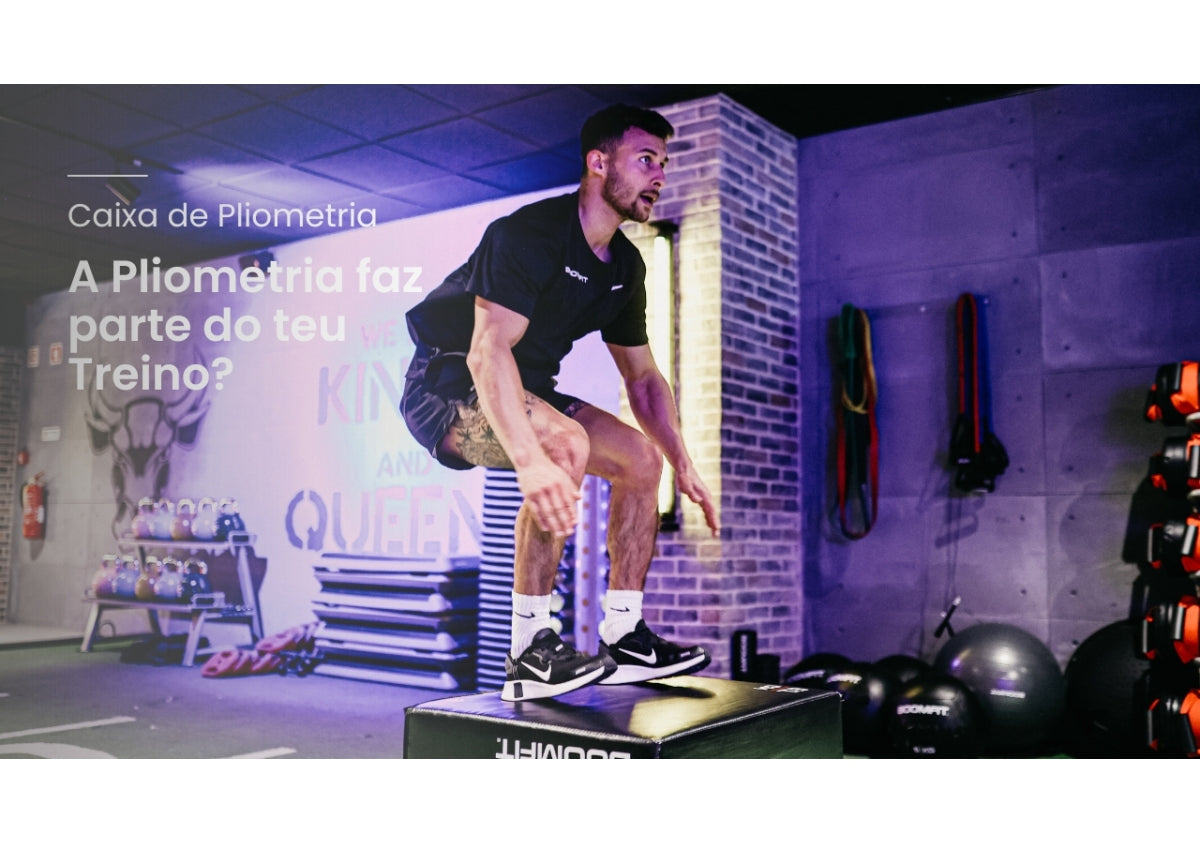
Improving explosive power. That is the main goal of Box Jumps, an exercise incorporated into leg workouts or high-intensity circuits.
The goal of the exercise is to jump onto an elevated surface such as a box, a platform, or a chair. In this way, the athlete works the glutes, hamstrings, quadriceps, and legs, increasing their power and strength, as well as the core and arms. The effectiveness of this exercise in improving performance in high-level competitive sports means that athletes see improvements in their performance when they incorporate Box Jumps into their workouts. Box Jumps also help improve vertical jump height, but without the impact associated with some plyometric exercises.
-
- Broad Jumps
A great plyometric exercise that translates into effective cardiovascular training: Broad Jumps are a simple exercise that can be performed anywhere. Maintaining balance is the main challenge in this type of exercise, which is typically incorporated into leg or explosive strength training. The goal is to jump as far as possible while maintaining balance upon landing. In this way, the athlete works the quadriceps, glutes, legs, and spine all at the same time, while effectively burning calories. This exercise is best suited as a workout finisher.
-
- Clapping Push-Ups
Some professionals consider Clapping Push-Ups to be the “big brother” of regular push-ups, as this exercise adds a level of difficulty, increasing intensity and power.
Widely used in chest or upper-body strength workouts, this type of exercise is considered intermediate-level and is best suited for athletes with some training experience rather than beginners (for whom “traditional” push-ups are recommended). When performing Clapping Push-Ups, the pectoral, deltoid, and triceps muscles are engaged, as well as the abdominal muscles, forearms, and glutes, albeit to a lesser extent. Clapping Push-Ups are performed by starting in a push-up position; at the top of the movement, you push off the floor with your hands so that they leave the ground and your palms touch, propelling your body into the air, before quickly bringing your hands back down to the floor.
-
- Pistol Squats
Beyond their intimidating name, “Pistol Squats” are among the most feared leg exercises, partly because, despite appearing simple, they are difficult to perform. Some professionals even hesitate to demonstrate this exercise, as they might end up on the mat. But despite this introduction causing some apprehension, the exercise is not something to be feared. In fact, Pistol Squats are exercises with many benefits, working the body unilaterally—that is, one side at a time—improving balance and increasing leg strength, while enhancing mobility and reducing the risk of injury.
However, it should be performed by someone with exercise experience, especially since Pistol Squats have a learning curve of varying duration. This explosive exercise is performed by squatting on just one leg, keeping the other extended forward but without touching the ground. Meanwhile, the arms should also be extended forward at shoulder height.
-
- Ladder Drills
Used in agility and speed training, Ladder Drills have a significant and rapid impact on the athlete, and are recommended in 10-minute sets twice a week. This frequency is sufficient to notice improvements.
Based on jumping patterns over simple ladders or cones, this type of exercise can be an excellent warm-up method, increasing heart rate and reaction time. Additionally, they are high-intensity exercises without increasing the risk of injury and can be adapted to each athlete’s needs.
HOW TO MAKE THE MOST OF THE PLYOMETRIC BOX?
In plyometric training, the plyometric box (also known as the “box”) can be the “key piece of equipment” for achieving effective results, increasing power and explosiveness in workouts.
Fitness professionals choose this tool for its versatility and because it is easily incorporated into this type of training, bringing a number of benefits to the programs of those who choose you to train:
-
- Increases Power and Explosiveness - Vertical jump exercises are performed through “box jumps,” aiming to develop power and explosiveness in the lower body, allowing athletes to jump higher and move with greater agility.
-
- Improves Coordination and Landing Technique - With the box, it is much easier to improve motor coordination and landing technique, which is essential for reducing the risk of injury after intensive jumping.
-
- Various Heights - The box is adjustable to various heights, allowing it to meet the individual needs of each user. This feature enables professionals to customize workouts by selecting the appropriate box height based on each athlete’s fitness level.
-
- Functional Training - In addition to vertical jumps, the Plyometric Box can be used to simulate various functional movements such as climbing stairs, jumping over obstacles, or performing safe landings, making it beneficial for high-performance athletes.
-
- Integration into High-Intensity Training Circuits - When included in high-intensity training circuits, the Plyometric Box helps increase heart rate, burn calories, and improve athletes’ cardiovascular endurance.
-
- Gradual Progression - When added to a training program, the Plyometric Box is an excellent tool that ensures gradual progression: as participants gain strength and confidence, they can progress to higher boxes and more advanced exercises, driving a more challenging and motivating workout.
-
- Performance Measurement - Through its various height options, the Plyometric Box offers the opportunity to measure each participant’s performance, allowing personal trainers to track progress and set specific jump and landing goals—a key factor in achieving successful results.
From developing explosive strength to improving coordination and landing technique, the Plyometric Box offers a wide range of benefits that elevate training programs. If you’re looking to design effective and dynamic training programs, incorporate Plyometric Training using this equipment to provide a stimulating workout experience with remarkable results!
The BOOMFIT Plyometric Box is, therefore, the ideal accessory for achieving these goals. Its sturdy construction allows it to be used in many of the exercises we suggest in this article, and it is adjustable to three heights to help develop strength and explosiveness.
If you have any questions about our range of plyometric training equipment, our team is always available to help you.
Happy training!