Poor posture can and should be a warning sign for everyone.
Bad daily habits, such as prolonged use of mobile devices, long hours in front of the computer, or carrying heavy loads are just a few examples that negatively affect our posture, leading to pain and discomfort.
Therefore, practicing exercises aimed at postural correction should definitely be included in our daily routine, helping to prevent future issues.
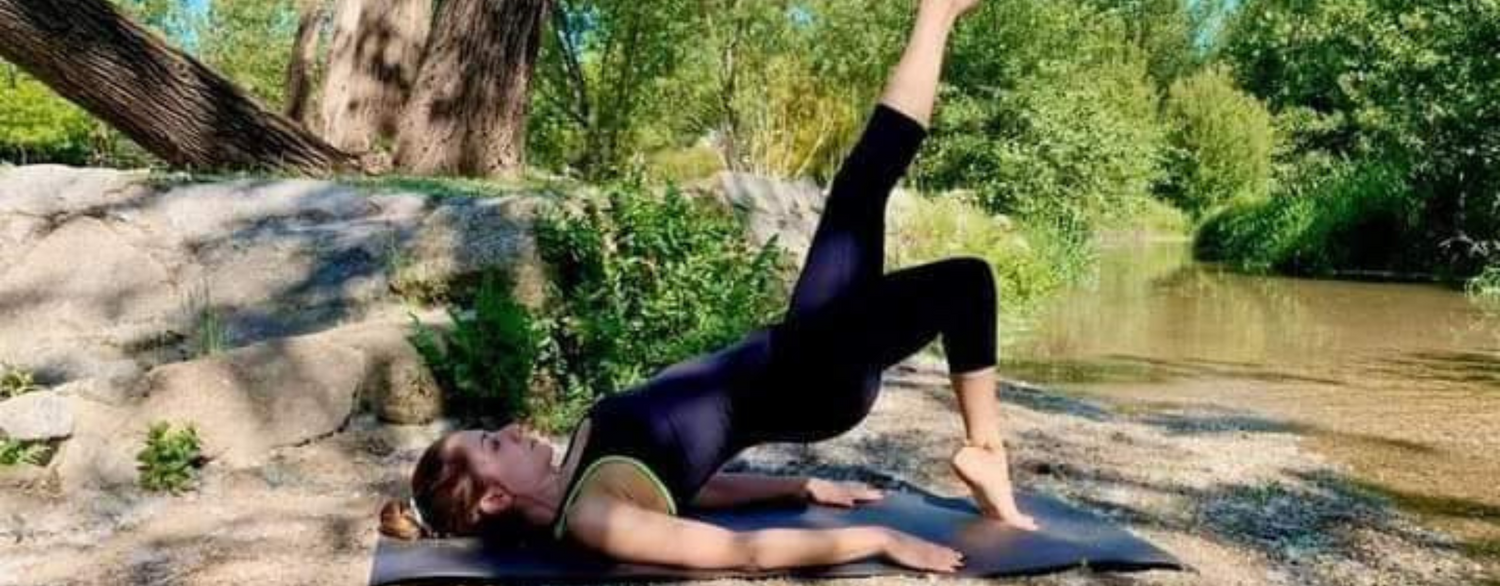
In this article, we will address Clinical Pilates, where the specialist Elisabete Martins discusses the numerous benefits of incorporating this sport. Besides being notable for working the deep muscles that support the spine and other essential joints, Clinical Pilates contributes to alignment and strengthening of posture.
Besides standing out for working the deep muscles that support the spine and other fundamental joints, Clinical Pilates aids in alignment and posture strengthening.
Moreover, it involves meticulous work on breathing, concentration, and body awareness, allowing the practitioner to activate the correct muscles and improve posture consciously and effectively.
"Pilates practice is truly very effective for postural correction"
Often, what may be the root cause of poor posture is "prolonged use of the mobile phone, heavy backpacks, long hours at the desk... all these factors contribute to postural changes in the medium and long term", begins Elisabete Martins with a warning.
According to the specialist, it has never been so essential to know the exercises and habits that can help correct or prevent postural problems. "Physical exercise, whatever it may be, as long as it is well supervised and tailored to each individual's needs, always has benefits". But, when there are postural alterations, it is important also to consider the associated muscular imbalance: this is where specific practices like Clinical Pilates come in.
This modality focuses on strengthening deep muscles that support the spine and other joint structures: “By isolating fundamental muscles for spinal support, we allow them to reposition, align, and strengthen, correctly fulfilling their protective and supportive role,” she explains.
Among the most effective exercises for postural correction, Pilates stands out for its holistic approach. The Clinical Pilates specialist emphasizes that this practice “is truly very effective for postural correction, as it works on the stability of essential joints and strengthens deep muscles.” Besides focusing on the spine, other joints like shoulders, hips, and knees are worked on individually. This methodical approach allows muscles to be toned and strengthened, promoting a balanced and healthy posture. “We also incorporate breathing, body awareness, and focus so that the student remains attentive to the muscles they activate during exercises,” adds Elisabete.
Adoption of daily habits that help prevent postural problems
Postural assessment is a crucial step in the correction process and can be performed through simple methods like visual observation or palpation. The specialist mentions that “it is possible to detect discrepancies or asymmetries, such as a shortened limb or misaligned hips through observation and measurements.” However, for more detailed assessments, complementary exams, such as an X-ray prescribed by a physician, may be necessary.
Signs that someone needs postural correction are often visual or manifest through pain. “Pain is the symptom that most frequently leads people to seek help,” affirms Elisabete. Marked postural changes, such as scoliosis, can cause discomfort and pain over time, which is a clear sign that action is necessary.
One of the greatest challenges in postural correction lies in the discipline and consistency of the practitioner. Elisabete highlights that “focus, rigor, and consistency are required. Often, people give up after just a few sessions, and this does not bring results. It is an ongoing effort that needs to be maintained.” The student's motivation is, therefore, crucial for the exercises to have a long-term effect.
Besides specific exercises, it is important to adopt daily habits that help prevent postural problems: “Distributing weight evenly when carrying bags, properly aligning the spine when sitting or lifting weights, and adjusting the desk height at work are care practices that can minimize postural errors,” she exemplifies. Awareness of these everyday actions can make a big difference in preventing injuries and discomfort in the future.
Final Considerations
Postural correction requires a lot of discipline and relies heavily on well-guided exercises and conscious daily habits. The practice of Clinical Pilates thus emerges as a powerful tool for those looking to improve posture by strengthening deep muscles and stabilizing joints.
But progress is seen through discipline and continuity, especially since “this is an ongoing effort requiring focus and motivation,” says Elisabete, reminding us that adopting small daily care habits can be key to maintaining healthy posture and preventing future problems.
Happy Training!