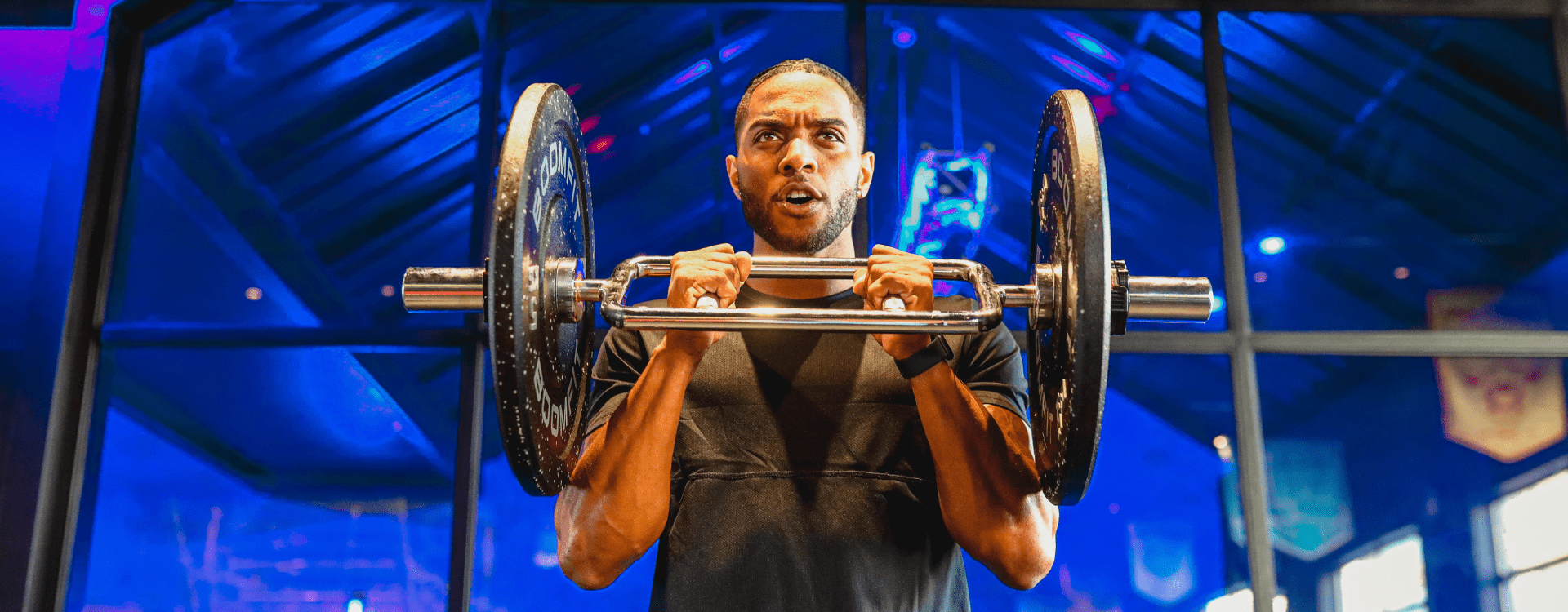
We often repeat this phrase to exhaustion, but it remains true: each athlete is unique, with their own conditions and limitations. However, training people with different conditions is an exciting challenge that can be a rewarding experience for many reasons.
Not by chance! This Tuesday marks the World Autism Awareness Day, an issue that is sometimes overly stereotyped in films and series, often lacking a connection to reality.
Indeed, autism is a challenging condition both for the person who has it and for those who interact with them. However, physical exercise activities, when incorporated into daily life, can be extremely beneficial.
Therefore, in this article, we will focus on the advantages for a person with autism practicing physical exercise and how you can begin training someone with this condition.
Autism Spectrum Disorder
Many might think that autism, mainly due to incorrect portrayals on television, is a disabling disease and that people with it are closed off in themselves.
First of all, autism, or rather "Autism Spectrum Disorder", is not a disease but a developmental condition, present from childhood and permanent, originating from central nervous system disturbances. Autism symptoms appear in the first three years of life and affect social, behavioral, and communication domains.
According to the Portuguese Autism Federation, this condition can manifest differently from person to person, and the clinical expression of the condition can vary throughout life. The severity also differs: some individuals exhibit severe and/or limited difficulties in communication, interpersonal relationships, and learning, while others have much milder difficulties, capable of cognitive interaction and with good verbal aptitude. Typically, autism may involve difficulties interpreting nonverbal communication or emotional reciprocity, repetitive movements, or insisting on maintaining routines or ritualized behavior patterns.
As a curiosity, in Portugal, there is no updated study on this condition. The latest one dates from 2005, estimating that one in every thousand school-aged children was autistic.
An (Un)likely Relationship
The truth is that physical exercise has a significant positive impact on people with autism spectrum disorder.
In 2010, researchers from the University of California analyzed 18 studies involving 64 people with autism aged between 3 and 41 years: all participated in various exercises such as weightlifting or running. The conclusions were extremely positive: repetitive movements and aggressive behaviors decreased, and motor, academic, and communication behaviors improved.
We must not forget that due to increased difficulties related to sedentary lifestyle or medication use, children and young people with autism are more prone to obesity, creating risks for cardiovascular diseases, diabetes, depression, and anxiety.
"I can't train someone with autism!" 👎
As a Personal Trainer, the doubt of training someone ‘different’ can be daunting, especially when you don’t know how to handle a person with a condition that might be limiting and could require special attention.
Well, training someone with autism requires some non-mandatory preconditions that, if met, can further improve your training process:
👉 Talk with family/companions
The first step is to get to know the athlete you will train, their needs, and how you can help. If your athlete has a companion (a parent/guardian/tutor), ask for information about special care to be taken, possible stimuli that might negatively disturb them, or other useful insights. You can even invite the companion to attend the training session, thus reducing anxiety caused by a change in routine.
👉 Create a behavior plan
Assess with the doctor or professional accompanying your athlete what actions can be taken and what physical limitations exist. If possible, ask all those who interact daily with your athlete (doctors, support professionals, parents, and yourself!) to develop a support plan listing behaviors that risk the athlete's safety, ways to prevent them, stimuli to avoid, and how to respond to these situations. This document can be an extremely useful support tool for any social contact situations.
👉 Add more training to your curriculum
Look for suitable training on autism at local associations (there are several nationwide). These trainings provide broader knowledge about the condition, including how to communicate with an autistic person or handle situations of meltdown, shutdown, or emergencies.
Despite these preconditions, dealing with an autistic athlete is not different from dealing with a non-autistic athlete. If you accept this mission, opt for a training plan that initially focuses on building trust and communication, establishing a sensory experience comfortable for the athlete. Start with small, steady steps so the athlete includes you in their circle.
Final Considerations
The autism condition itself is not a limitation to practicing physical exercise. However, consistent and trustworthy support is necessary for this athlete.
As a Personal Trainer, your role is to support your athlete, contributing to a healthier and more inclusive life. After all, the purpose of sport is to be democratic and accessible to all.
At BOOMFIT, we want to help you achieve this goal by offering dozens of fitness equipment and accessories daily. And if you need assistance, our team is ready to support you!
Happy training!