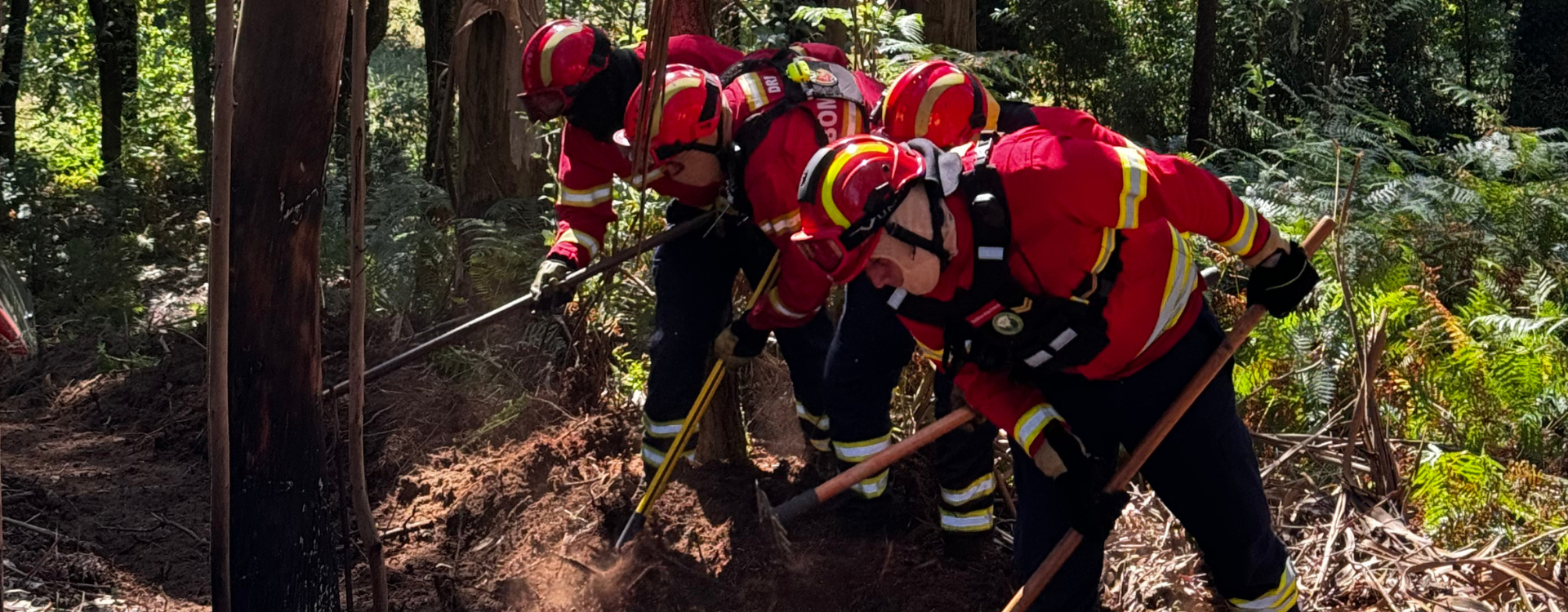
Desired by many, hated by others, the heat has arrived in full force. In recent days, extremely high temperatures have been recorded, breaking records. For example, according to data from the European Union's Copernicus service, July 21 was the hottest day ever recorded.
With these temperatures, precautions must be doubled, especially for children, the elderly, and more vulnerable people. Staying sheltered from the hottest hours or drinking plenty of water are just a few examples.
But what about workouts? How do we reconcile training sessions with the heat? How do we adapt our training plan to face these temperatures?
There are many questions that athletes and Personal Trainers ask themselves. BOOMFIT will try to answer some of them.
Yes, it’s possible to train in summer! But adjustments are necessary…
To start, of course it’s possible to train in summer. However, training routines must be adapted by listening to the body and following the guidance of professionals and authorities. If you are an athlete, talk to your Personal Trainer about the steps to take during these hotter periods. If you are a Personal Trainer, it is important to know the signs of dehydration or heatstroke and how you can react and help your athlete.
👉 From 10 a.m. to 4 p.m., it is not recommended!
Let’s begin with the basics! If your workout session is primarily outdoors, avoid scheduling it between 10 a.m. and 4 p.m. These are the hours when the temperature can reach its peak, causing at least discomfort during physical exercise, but potentially leading to much more serious situations.
Try to schedule training sessions early in the morning (before 10 a.m.) or late in the afternoon when temperatures are a bit milder. If your daily schedule doesn’t allow for this, then consider holding the training session in a shaded area such as a park.
👉 Gear up appropriately!
If you are a Personal Trainer, you may have encountered beginner athletes who are poorly equipped for training or who underestimate what they might experience during the session. Therefore, it’s important to communicate that during hotter times, it is necessary to wear lighter, breathable clothing in light colors. All this helps the athlete stay reasonably cool.
We also suggest including a hat in this kit, allowing the face and head areas to stay cooler, as well as sunscreen with a high protection factor to reduce the chance of sunburn.
👉 Hydration, hydration, hydration… but in moderation!
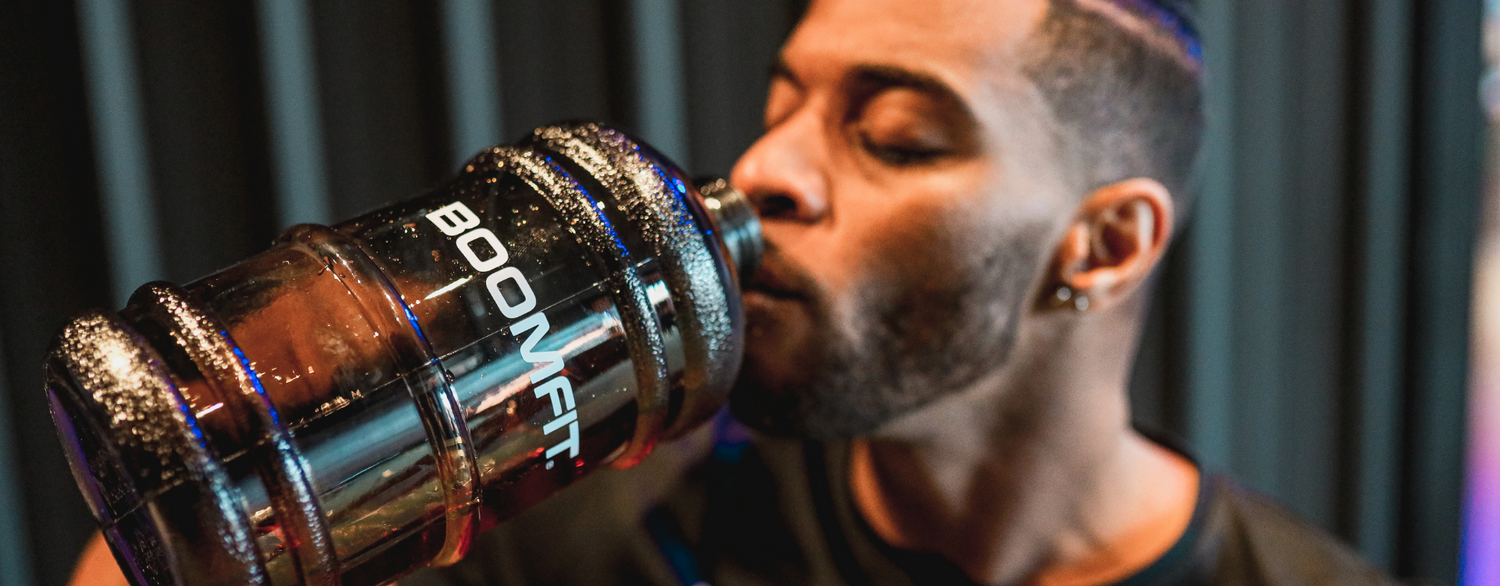
Drinking water is an excellent ally for dealing with heat. It is also extremely important to stay hydrated during a workout. Physical activity on hot days can lead to dehydration, so it’s recommended that athletes begin hydrating at least one hour before training. According to the American public radio NPR, some experts even recommend that hydration start the night before the workout session.
During the session, it is advisable to replace lost fluids by drinking half a liter to one liter of water (if the session lasts an hour or less) or sports drinks per hour of exercise in the heat to replenish sodium and electrolytes.
However, overhydration can lead to a condition called hyponatremia, causing seizures or cardiovascular collapse. To avoid this, you should recognize the signs of dehydration occurring. If you’re a Personal Trainer, discuss some of the symptoms of this condition with your athlete, such as thirst, dry and cool skin (despite high temperatures), headaches, cramps, or little to no urine or darker urine than usual. Being able to identify and react is extremely important.
👉 Know your limits!
Here at the BOOMFIT blog, we often say every athlete is unique. This principle makes even more sense when it’s very hot! The Personal Trainer must know their athlete’s limits well, and the athlete should be aware that they are not training in usual conditions: they are pushing their body to an extreme in a way that isn’t healthy!
Therefore, training sessions should be adapted by adding longer rest intervals, substituting exercises that are less taxing on the body, such as walking instead of running, or switching from outdoor to indoor workouts.
Although this might seem like a setback in the training plan, changing sessions also brings a “refresh” to the entire plan, pulling the athlete out of their comfort zone. On the other hand, this change is especially suitable for people with cardiovascular and chronic diseases, athletes with preexisting conditions, children, or the elderly.
Knowing the body’s limits helps the athlete recognize when something is wrong, preventing heatstrokes that require immediate medical intervention.
Final considerations
Maintaining regular physical activity is extremely important. But with summer’s arrival, many athletes are tempted to stop training because the heat is uninviting for intense exercise sessions.
As a Personal Trainer, the message you should convey is that it is possible to train during the hot season by understanding athletes’ wishes and goals while adopting a protective approach, suggesting different and effective ways to train.
If you are an athlete, you should be aware of your body’s limits, discovering these boundaries together with your Personal Trainer and discussing the best way to handle them.
Whether you are a Personal Trainer, athlete, or fitness enthusiast, always choose to conduct training sessions with equipment that delivers the best results and adapts to all conditions. Here at BOOMFIT, we can help you achieve that goal: we offer more than 350 references of equipment and accessories that will make your workout more productive and effective. Contact our team: we are always ready to help you.
Happy training!