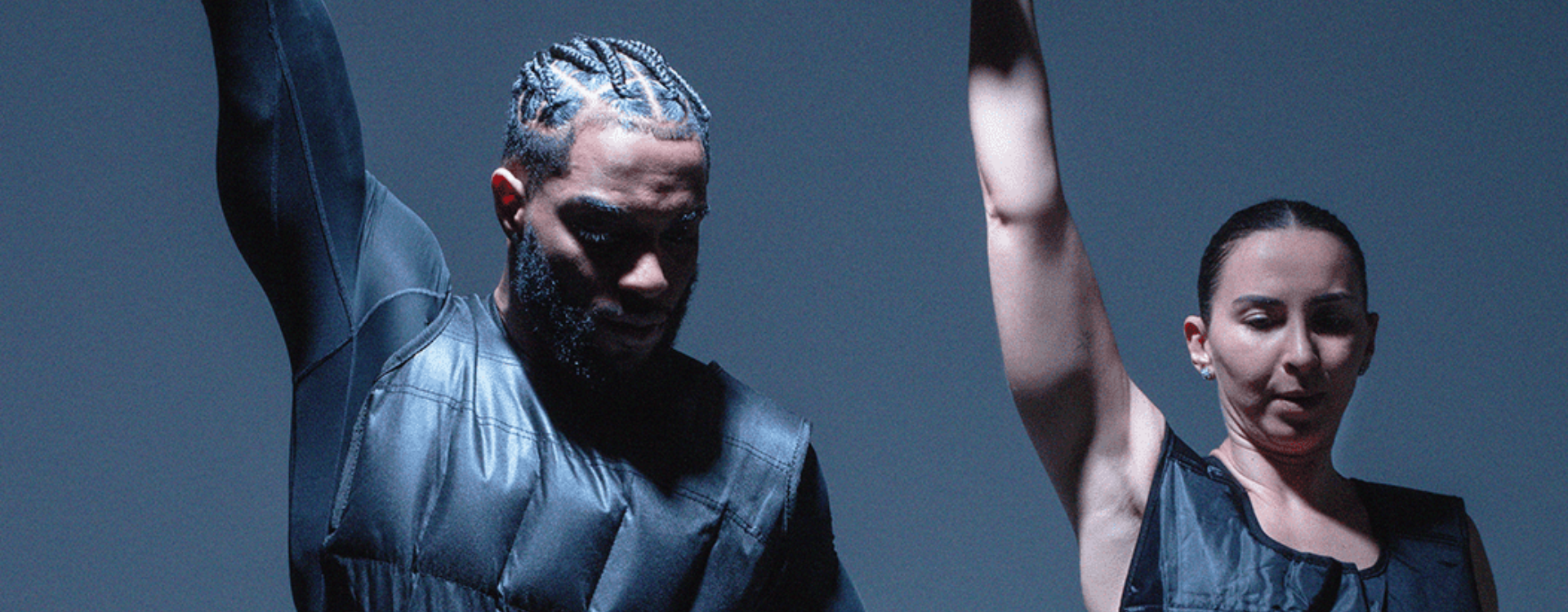
We all know that physical activity is a major factor in reducing the risks associated with a Stroke (Cerebrovascular Accident - CVA). Interestingly, it is also one of the main tools used in post-stroke recovery.
Despite various awareness initiatives and an emergency system constantly undergoing improvements, the truth is that stroke remains one of the leading causes of death in Portugal.
A study conducted by Chinese researchers, frequently reported by the media and endlessly shared on social networks, claims that “eating an egg a day can reduce stroke risk by 26%.” It was precisely about this study that we approached the topic of stroke in this article.
But what exactly is a stroke?
It is perhaps one of the best-known and widely publicized conditions. However, its highly disabling impact is often overlooked.
A stroke, also known as “thrombosis,” is described as a sudden neurological deficit caused by bleeding in the brain, due to a ruptured artery, or by ischemia, meaning a blockage in blood flow, resulting in that part of the brain not being properly perfused. Due to the lack of blood, brain cells die some time after the rupture/blockage occurs, leading to brain injuries that can be permanent or, in more severe cases, death.
Symptoms are immediate because of its sudden nature. However, recognizing the signs of a stroke is relatively easy by following the five F's rules:
👉 Face: The face can become asymmetrical suddenly, with one eyelid drooping.
👉 Speech: The patient may have strange or incoherent speech, or might not understand what is being said to them.
👉 Sudden loss of vision: Suddenly, the patient might experience double vision or lose sight in one or both eyes.
👉 Strength: Without reason, the patient may lose strength in one arm or leg, or even lose balance.
👉 Severe headache: The onset of a sudden headache, unlike usual in intensity and without cause, is also a factor to consider.
These symptoms should never be ignored: if there is even the slightest suspicion of a stroke occurring, you must contact emergency services immediately (112).
Worldwide, it is estimated that 15 million people suffer a stroke each year, and of these, 6 million die. In Portugal, stroke is one of the main causes of death and permanent disability, with the country having the highest mortality rate in Western Europe. According to an article by Luísa Fonseca, coordinator of the Stroke Disease Study Group of the Portuguese Society of Internal Medicine, 3 Portuguese people suffer a stroke every hour, and one of them does not survive. In 2023 alone, the National Medical Emergency Institute referred nearly 9,000 people with stroke symptoms or signs to health units.
And contrary to popular belief, it does not only affect the elderly: 10.7% of deaths caused by cerebrovascular diseases occurred in people under 70 years old, with most deaths concentrated in the 55 to 64 age group (an average of 30 deaths per 100,000 inhabitants).
How to prevent a stroke?
What inspired us to write this article was news about a study conducted in China, published in the scientific journal Heart, which studied the relationship between egg consumption and cardiovascular diseases. The study was originally published in 2008 and updated in 2021. Yet, it continues to be shared on social media and by the press as recent news, highlighting the egg as a “superfood.”
While we already knew the importance of a balanced diet, this study states that consuming at least one egg daily reduces the probability of stroke by 26%. The researchers did not establish a cause-effect relationship between "moderate egg consumption" and lower rates of cardiovascular events but emphasized that there is “an association,” mainly due to the large sample size, involving over 500,000 adults from 10 regions of China over four years.
The truth is eating eggs alone is not enough to prevent a stroke: eggs should be included in a structured dietary plan that reduces salt intake and prioritizes vegetables and healthy fats, such as olive oil and fatty fish.
If you are a fitness professional, you should ensure your athletes receive equally professional advice, such as from a nutritionist who can create and adapt a nutritional plan to their needs, along with a full medical evaluation to rule out any problems, with periodic follow-ups to assess physical condition and limit possible issues. If you are a fitness enthusiast, you should follow the guidance of your nutritionist and trainer but also consult your attending physician to check for any existing issues, including family history of cardiovascular problems or pre-existing limitations. Medication factors must also be carefully evaluated before creating a training plan.
Indeed, physical exercise is one of the main factors that help prevent a stroke, reducing the risk of an event by more than 50%, as it improves blood circulation to the organs. According to SAFE - Stroke Alliance For Europe, although there is no consensus on the amount of physical activity required, the recommendation is about a 40-minute moderate-intensity training session three to four times a week to keep people healthy.
Final considerations
A stroke is a high-impact event for individuals. When not treated promptly, it can result in irreversible consequences.
Engaging in physical exercise, as part of a healthier lifestyle, clearly benefits athletes by decreasing stroke risks and increasing life expectancy.
That is why BOOMFIT works every day to create the ideal conditions so that physical exercise is, more than an obligation, a way for everyone to feel good about themselves. In our online store, you will find more than 350 references of equipment and accessories that will help you make the lives of your athletes (or your own life) better.
Happy training!