

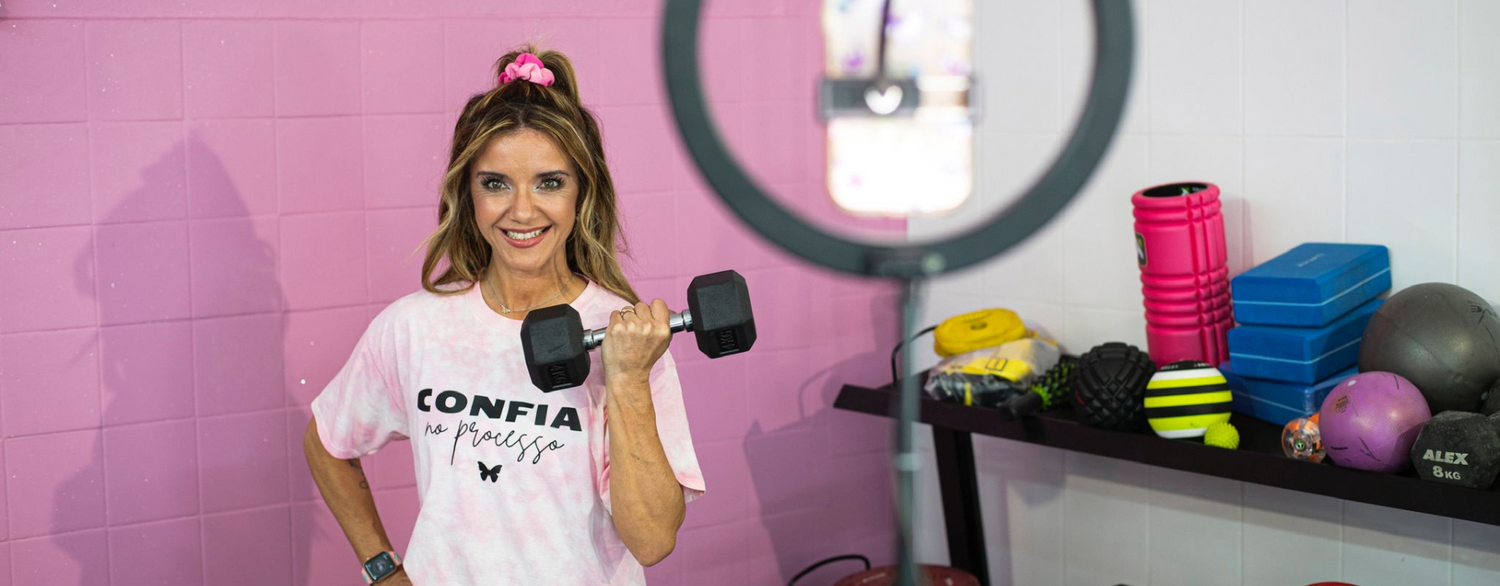
Hormonal and physical changes are just some of the alterations that can affect the health and well-being of women reaching their 40s. Physical exercise, as we already know, can be a solution to minimize or delay these natural effects.
However, this article is not about physical exercise in general, but specifically about strength training. BOOMFIT spoke with Personal Trainer Marta Moura, who shared some insights on the importance of this training for women over 40.
“There are no specific exercises more recommended for this age group”
According to the professional, one of the biggest benefits of Strength Training for women in this age group is the ability to protect against chronic diseases: “During perimenopause, women begin to lose muscle mass more markedly, which can lead to increased inflammation and a predisposition to cardiovascular diseases, Alzheimer's, type 2 diabetes, and osteoporosis,” explains the Personal Trainer, highlighting that “strength training helps preserve and even increase muscle mass, which in turn improves metabolism and the body's ability to burn calories".
Besides this, Strength Training significantly contributes to maintaining muscle mass and bone density. Marta Moura believes that "we gain bone mass up until about 20 years old, but from then on, we start losing it, and this loss becomes more pronounced after 40". The hormonal changes associated with menopause accelerate this process, making strength training essential: "women with more muscle mass tend to have stronger bones, which is crucial to preventing problems like osteoporosis", she adds.
When asked how strength training can influence mental health and female well-being in this age group, Marta points to the “physical aspect” as being “super important” at this stage: “Besides adolescence and pregnancy, from their 40s and entering menopause (perimenopause), women seem to lose control of their own bodies. What they've been used to doing for years, both in terms of diet and physical exercise, seems to stop working,” she emphasizes. The fact of doing a type of training that allows “good results in the medium term, feeling stronger and without limitations, and also liking what they see in the mirror, has a very positive impact on mental health.”
With 20 years of experience, Marta concludes that “there are no specific exercises more recommended for this age group”, as long as there are no limitations: “The principle of progressive overload must be respected and training should aim to step out of the comfort zone and approach failure.” As at any other age, the Personal Trainer recommends focusing exercises on the main large muscle groups: “legs and glutes, back and chest, then complement with the rest.” Regarding training frequency, “four to five sessions per week of 30 to 60 minutes at most” is advisable, she adds.
“What works for one person doesn’t necessarily work the same way for another”
When asked about the “biggest barriers” these women face, Marta reminds that starting any training method after 40 is more complicated because the body has already accumulated four decades of habits: “In any training program, time is a crucial variable, and women over 40 seem to feel that time is something they don’t have.” Even more so with all the “hormonal changes” associated with age that can interfere and require adjustments: “What works for one person doesn’t necessarily work the same way for another. Patience, dedication, and extraordinary understanding and care at every step are needed.”
Therefore, the role and support of a Personal Trainer is so important; their intervention involves “understanding what the person wants, what their main “pains” are, and figuring out the best approach to help these women include physical exercise in their daily habits,” she notes.
Nutrition is equally important throughout the process and its benefits for the success of a training program in this age group: “It’s crucial not to create added stress by eliminating food groups or drastically changing the diet,” she advises. Instead, the Personal Trainer recommends “making small changes, like increasing protein intake,” which can have a long-term positive impact.
Regarding the future, Marta sees a positive evolution in awareness about the benefits of strength training for women aged 40 and over. "The next generation of women will have access to much more and better information,” she says, believing that the trend is for more women to recognize the “importance of exercise and strength training” and integrate it into their lives, regardless of age.
Final Considerations
Strength Training is a powerful tool for women over 40, offering a wide range of benefits from preventing chronic diseases to improving mental health.
As Marta advocates, with the right professional guidance and consistent commitment, any woman can benefit and enjoy a healthier and fuller lifestyle.
BOOMFIT can facilitate this process by offering a portfolio with over 350 fitness equipment and accessories to make workouts more complete and effective. Our team is always ready to help: get in touch with us!
Happy Training!


