Only 18% of Portuguese people regularly exercise. This places us among the most sedentary countries in the European Union. At first glance, this topic might seem relevant only to those seeking a certain physical appearance. For athletes, or those who enjoy sports or exercise, they know that moving the body goes far beyond looks.
Physical exercise results in the reduction of stress-related hormones, namely Adrenaline and Cortisol. Although we put the body under stress when exercising, this stress is not processed in the same way as mental stress. In fact, it almost feels like we use the stress accumulated in our brains as fuel to move our muscles. It's easy to think this way when we feel the need to "release" energy.
Besides its reducing effect, physical exercise also has a hormone-promoting effect. This means it not only lowers stress hormones but also stimulates the production of endorphins—hormones responsible for more positive moods and even reducing symptoms of pain or discomfort. Although this may seem contradictory, the post-workout feeling can only be compared to stepping out of a warm bath, but exponentially more beneficial.
Alongside these hormonal effects, there are personal and social benefits that make this habit particularly appealing. Socializing with others, the team effect, motivational support... all elevate exercise to a shared experience. In my case, all the sports I practiced were always more enriching and rewarding when shared, and I made friends for life. This happens for various reasons, but mainly because of sharing adversity—which, although fictional, is still overcome together.
Our physical condition inevitably improves. Along with this improvement comes an increased confidence that makes us feel amazing. Our sense of control and ability to perform certain exercises contributes to our perception of overcoming small daily challenges in other areas of life, and suddenly, life seems to run more smoothly, when in fact, we are the ones who triggered this reaction.
Increased blood oxygenation, promoting maintenance of abilities such as cognition and memory, and improved sleep quality as a result of physical effort, also strongly contribute to overall quality of life. At the same time, it helps us enter a flow state, allowing us to block out the challenges our days bring. I have never experienced the "runner's high," but my training is one of the few moments in the day when I feel everything around disappears and it’s just me and the weights.
Like anyone else, I fall victim to work stress. This is normal, but we all know there’s stress and then there’s STRESS! Referring to data collected by LPATS, more than half of Portuguese workers are at high risk of burnout. This means these people are in such an accumulated state of stress that at any moment they may become unable to cope with their daily stressors, leading to an apathetic and almost inert state. Considering these figures, one would expect at least 50% of the population to be actively trying to fight the main cause of this deteriorated mental health, but clearly that is not the case.
One of the fundamental issues leading to this kind of neglect is the lack of literacy concerning mental health and its intimate relation to physical health. This connection is still neglected or, alternatively, dissociated from the body in many circumstances, with both behaviors being highly harmful to the well-being of our population. The work done so far in this regard is limited, but people are indeed becoming more receptive to the conversation. Exercise itself—and all it entails—also provides moments for people to open up, share their inner issues, and eventually take steps to resolve them.
In conclusion, it is up to each of us to find the type of exercise that we love, that motivates us, and that we enjoy, so we allow it to become part of our routine, and consequently bring all the benefits mentioned above, directing our health toward a more positive and sustainable state.
No one better than BOOMFIT to help us.
Happy Holidays!
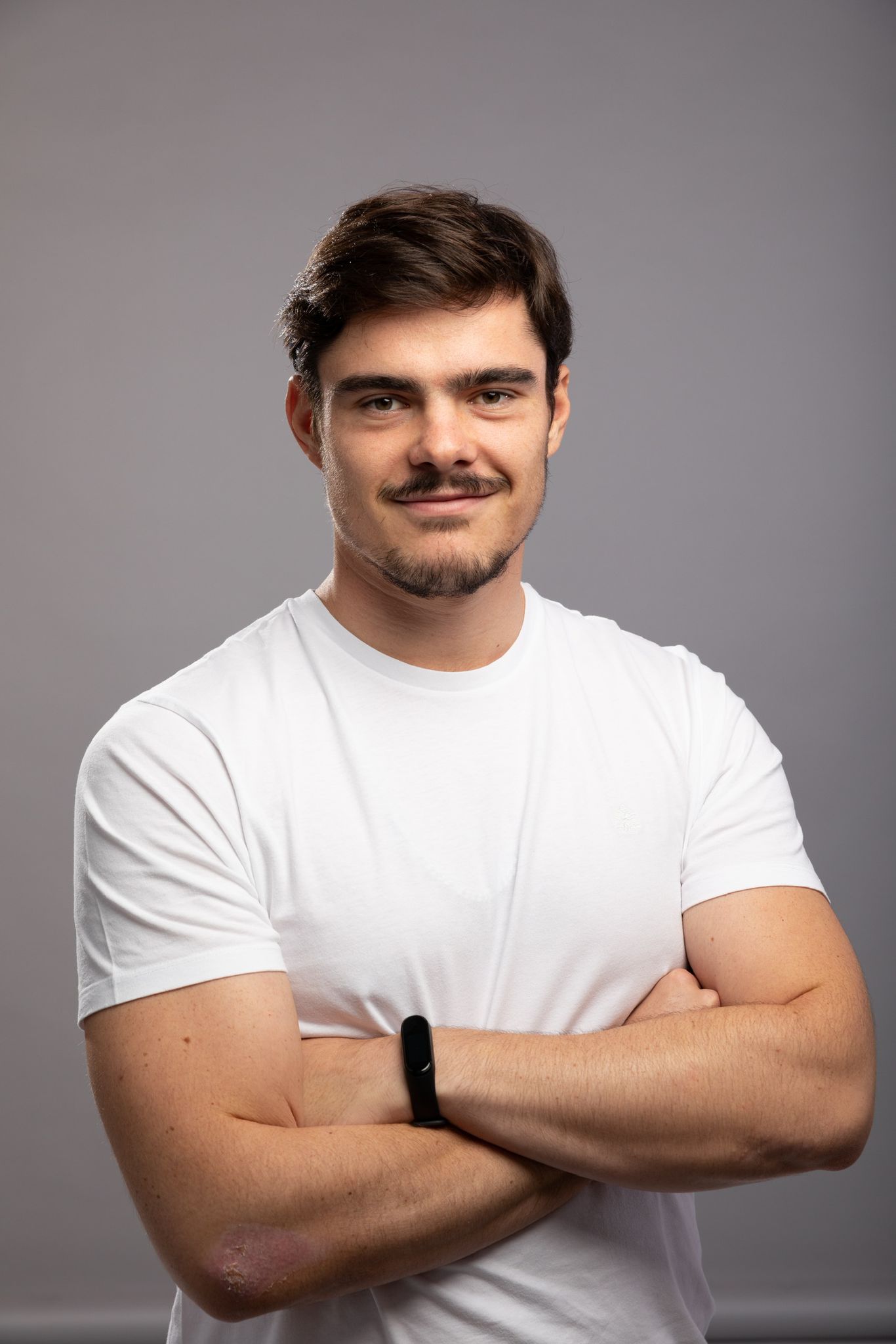
João Francisco Lima