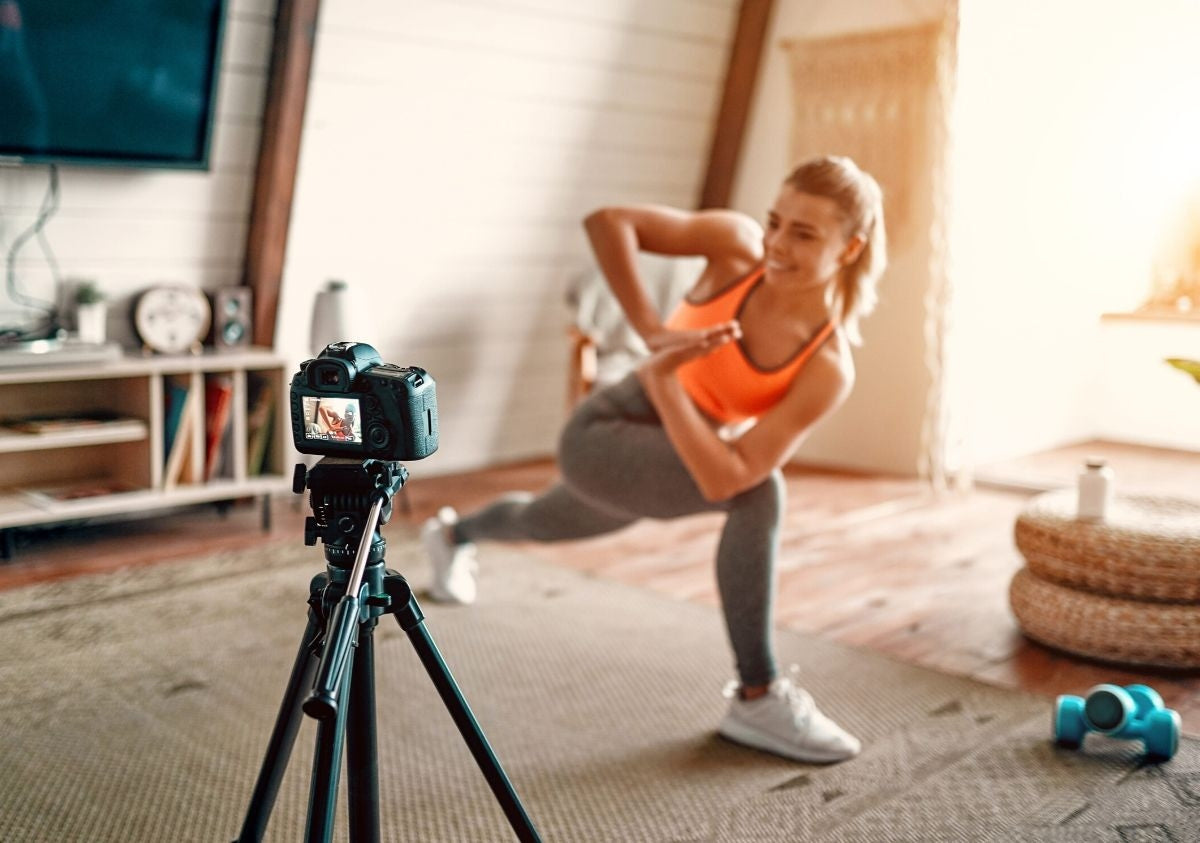
Today, a strong social media presence for personal trainers can be the difference between a successful career and one that falls short of its goals.
This is true regardless of where you work—whether at one gym or several, or even if you’re self-employed.
The fact is, in any case, to succeed as a personal trainer, you need clients.
And, without a doubt, social media plays an important—and fundamental—role in this process.
Take a look at the total number of active users (in millions) on the major social media platforms as of early 2021, according to Statista.

Why use social media?
Using social media is free and simple, so it’s no surprise that people of all ages, social backgrounds, and locations can be found there.
As such, to reach your target audience and increase your number of followers, take note of social media expert Gary Vaynerchuck’s strategy.
In the book “Jab, Jab, Jab, Right Hook - How To Tell Your Story In A Noisy, Social World,” the author states that the best way to succeed is to “give, give, give, give, ask.” This means you should provide content, share information, offer value, and when you finally ask for something in return, your audience will be more willing to do so.
You shouldn’t follow the path of most people who try to sell their services or products in every post, because that tires the audience.
6 Tips to Boost Your Social Media Presence
Personal trainers should leverage their social media platforms to create relevant content that will catch the attention of their followers, who, in turn, are potential clients.
In fact, today we live in a world that practically exists online, which means anyone can be a potential client, provided certain conditions are met later on.
First and foremost, before we share our tips with you, it’s important to understand that you must stay true to who you are and your values.
1. Define your USP
Your USP, Unique Selling Proposition, will be the center of your communication.
What this means is that you need to identify what sets you apart from other personal trainers.
To help you define your unique value proposition, consider this question:
“What can I guarantee that no one else can?”
Also think about the questions your potential clients are asking themselves when they’re considering working with you.
“Why should I listen to you?”
“Why should I work with you instead of any other personal trainer?”
2. What to Post
If you want to build loyalty and earn the trust of your followers, you should create relevant and valuable content that addresses your audience’s needs, questions, and even pain points.
Where to start?
Pay attention to the questions you’re asked most often, analyze the comments you receive, search sports forums, read relevant magazines and publications in the field, and, of course, see what the competition is doing.
This will allow you to gather various ideas to determine which strategy to follow, as well as what content to produce.
.jpg)
3. Content Format
As for format, there’s no magic formula here to tell you that you should do this or that.
It all depends on your audience’s engagement, which, in turn, will react differently to text, photos, videos, graphics, live streams, contests, interviews, and customer testimonials.
So you should experiment with different formats to see what works best.
The best way to stay organized is to create a file: what you’ll publish and when, along with the metrics for each post—likes, comments, shares… This is an excellent way to track what generates the most engagement.
4. When to Post
In this area as well, we can’t tell you the best time to post. However, there is a way to find out—especially since this varies from profile to profile.
The most widely used social media platforms today, such as Facebook and Instagram, provide statistical data that allows you to precisely identify the answers to these and many other questions.
Data on the target audience—such as gender, age, location, and even the times of day when there is the most interaction with the page—should be taken into account to develop an effective digital marketing strategy for personal trainers, no matter how basic it may be.
As for posting times, you should also keep in mind that you should prioritize times that allow you some availability afterward to respond quickly to questions, comments, and messages that may arise.
Similarly, how often you choose to post content depends on you: your availability and your goals.
However, there is one thing to keep in mind: be consistent.
That is, regardless of the number of posts, stories, or live streams you usually do, stick to that schedule, whether it’s one, two, or three posts a day.

5. Post original content
Repetitive and outdated content is unlikely to help you achieve your goals, gain more followers, and, consequently, increase the number of potential customers on your social media.
As such, new, interesting content that adds value for your audience is essential and extremely important for building your reputation and gaining recognition.
So, instead of repeating what’s already been said on other profiles, use your platforms to share new things: new information, new tips, new exercises, new workout suggestions, or even fresh perspectives on topics that aren’t exactly new.
6. Engage with your audience
Having a static profile that merely posts content and pays no attention to followers’ interactions is one of the biggest mistakes you can make. People like to feel valued and to know that their doubts and questions matter and are answered.
As such, we’ve already told you that you should choose posting times that allow you some flexibility to respond to precisely those requests.
Don’t just speak to your audience—talk to them, interact with people, and show that you’re available to build a virtual relationship that, when nurtured properly, can translate into real-life connections.
And yes, this takes time and dedication, with no guarantees.
However, it is a strategy that will allow you, as a personal trainer, to attract more clients and build an unparalleled reputation in the world of sports.
![As 6 Melhores Apps de Meditação [2020]](http://www.boomfit.com/cdn/shop/articles/b-melhores_20apps_20de_20meditac_CC_A7a_CC_83o.jpg?v=1776098211&width=1200)